

Conference seating is often one of the largest cost components in auditorium and hall projects. However, pricing is rarely straightforward. The cost of conference seats depends on multiple technical and project-specific factors, making it difficult to compare offers without understanding what drives the price.
For project owners, contractors, and procurement teams, knowing how conference seating pricing works is essential to avoid hidden costs and ensure long-term value.
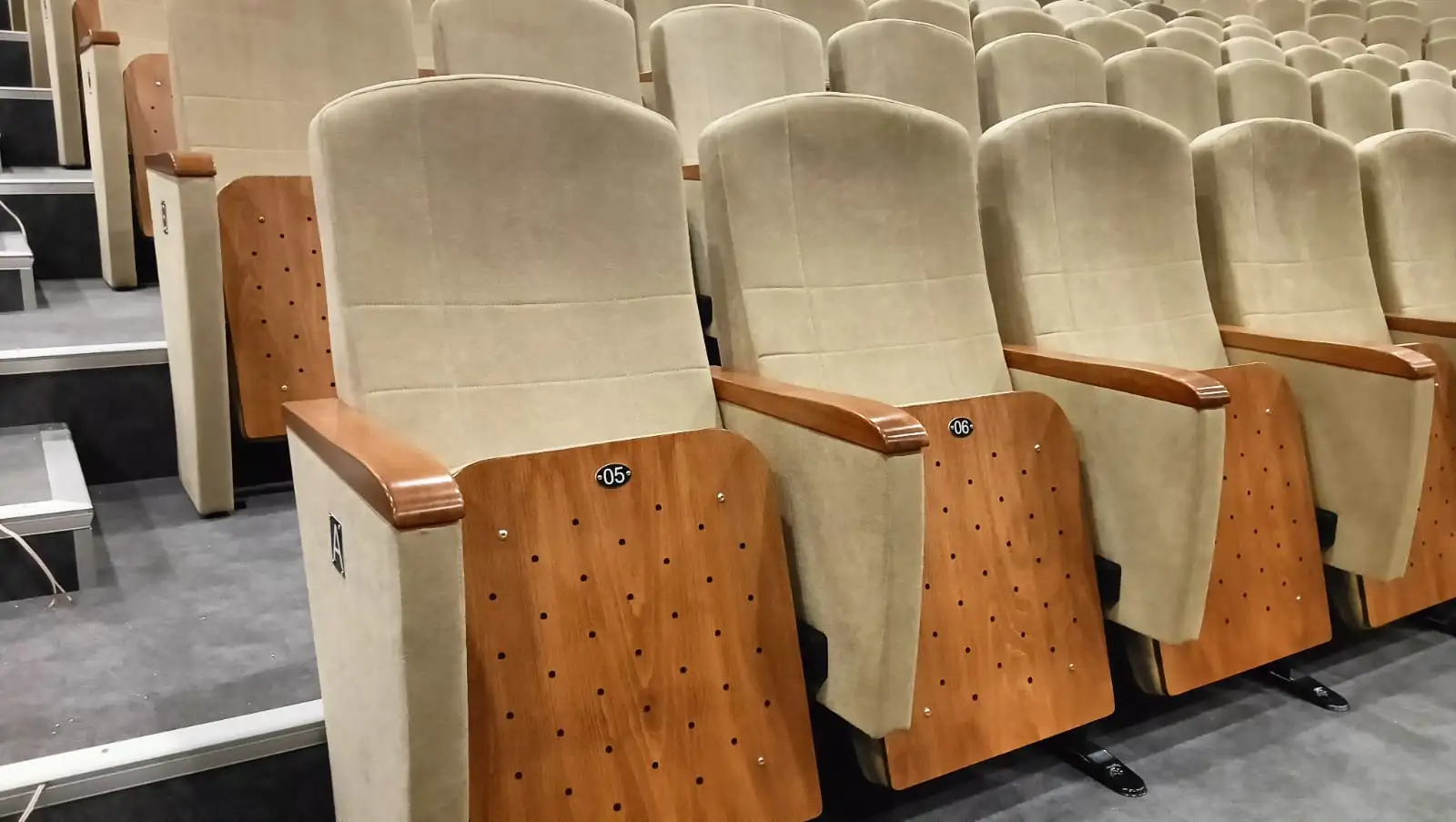
Why Conference Seating Prices Vary So Much
Two conference seating offers can differ significantly, even when the products look similar at first glance. This is because pricing is not only based on appearance but on internal structure, materials, and engineering quality.
The main reasons for price variation include:
- Structural strength and metal quality
- Type of foam used (cut foam vs molded foam)
- Upholstery material and durability
- Mechanism quality and lifespan
- Customization level
- Certification and testing requirements
Lower prices often indicate compromises in one or more of these areas.
Key Factors That Affect Conference Seating Cost
Understanding these factors allows buyers to evaluate offers more accurately.
1. Seat Structure and Frame
The internal metal structure is the backbone of the seat. Thicker steel and better coating systems increase durability but also cost more.
2. Foam Technology
Molded foam is more expensive than cut foam but provides longer-lasting comfort and shape retention. In high-use environments, this difference becomes critical.
3. Upholstery Material
Material choice directly affects pricing:
- Fabric is generally the most cost-efficient
- Faux leather adds cost but improves maintenance
- Real leather is used in premium projects
Additional treatments like stain resistance and fire retardancy also increase cost.
4. Mechanism and Moving Parts
The folding mechanism must withstand thousands of cycles. High-quality mechanisms cost more but reduce maintenance and noise issues.
5. Accessories and Features
Optional features can significantly impact the total price:
- Writing tablets
- Cup holders
- Seat numbering
- Special armrest designs
Each addition increases production complexity.
Project-Based Pricing vs Standard Pricing
Conference seating is rarely sold as a standard product. Most projects require tailored solutions.
Project-based pricing depends on:
- Total number of seats
- Row layout and configuration
- Step dimensions and installation type
- Custom design requirements
This is why accurate project information is essential when requesting an offer.
Hidden Costs Buyers Should Consider
Focusing only on unit price can lead to unexpected expenses later.
Important hidden factors include:
- Installation requirements
- Packaging and shipping costs
- Maintenance and replacement parts
- Long-term durability
A cheaper initial price can result in higher lifetime costs.
How to Request an Accurate Conference Seating Offer
To receive a precise and comparable offer, certain information must be provided.
Essential details include:
- Project type (auditorium, conference hall, university)
- Number of seats
- Layout drawings or dimensions
- Step heights and row spacing
- Preferred materials and features
- Delivery location
The more detailed the information, the more accurate the quotation.
Comparing Different Offers the Right Way
When evaluating multiple suppliers, price should not be the only factor.
A proper comparison should include:
- Material specifications
- Structural design
- Certification compliance
- Warranty terms
- Production and delivery time
This ensures a fair and realistic evaluation.
Bulk Orders and Pricing Advantages
Large-scale projects benefit from economies of scale.
Advantages include:
- Lower unit costs
- Better negotiation opportunities
- Consistent production quality
- Optimized logistics
However, production capacity and lead time must also be considered.
Long-Term Value vs Initial Cost
The real cost of conference seating is measured over its lifespan.
High-quality seating offers:
- Longer service life
- Reduced maintenance
- Better user experience
- Consistent appearance over time
This makes it a more cost-effective solution in the long run.
Conclusion
Conference seating pricing is influenced by many variables, from materials to project specifications. Understanding these factors helps buyers make informed decisions and avoid costly mistakes.
A well-prepared request and a detailed evaluation process ensure that the selected seating solution meets both budget and long-term performance expectations.